Wounded Children In A Wounded World: An Introduction To Safe Parenting
The lie that saved her
Samuel Adewoye
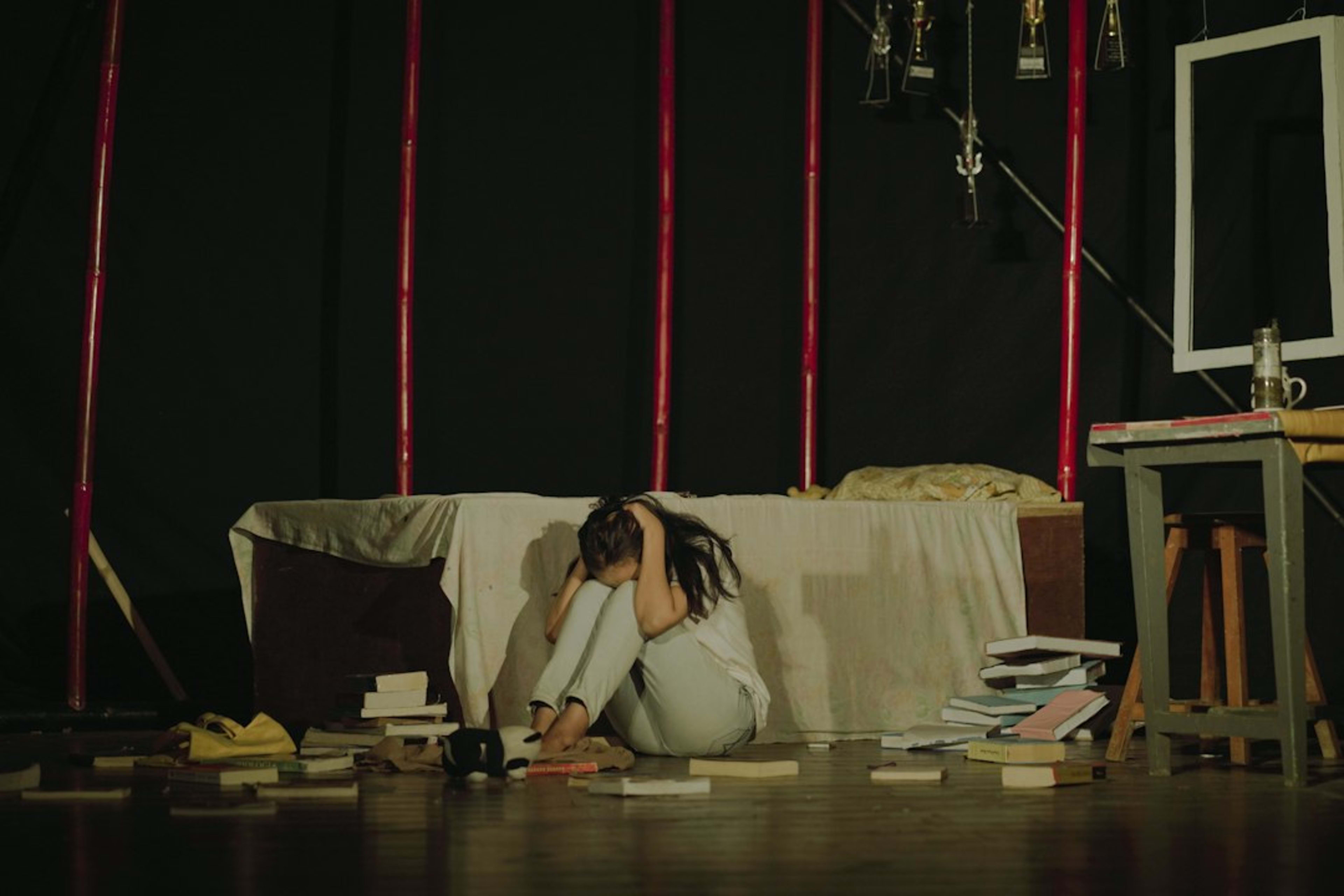
A girl breaks her mother's phone. It slips off the edge of a table, the screen spiders, and she stands there with her heart pounding. Within a minute she has a story ready: it was already cracked, maybe the dog knocked it. She tells it well. She has had practice.
Her mother believes her, or pretends to, and the day moves on.
What that mother never learns is that her daughter did not lie because she is dishonest. She lied because somewhere along the way she worked out that the truth costs more than the lie. A cracked phone is cheap. A cracked relationship, the kind that follows a screaming match, a week of silence, and a reminder at every dinner for a month, is not.
I have thought about that girl for a long time. She is not rare. She sits in a great many homes, doing quiet arithmetic, and her parents call her "easy."
The world is already hard on them
Children today are born into a world that wounds them early. They meet cruelty at school, comparison on their phones, and fear in the news. Some carry things at home that no child should carry. Many of them are hurting in ways they cannot yet name.
The one place that is supposed to be different is the home. A home should be the single room in the world where a child does not have to stand guard.
So here is the question that sits underneath everything I want to say: Is your home a place your child can be honest in?
I call the answer safe parenting.
What safe parenting is, and is not
Safe parenting is the work of becoming a parent your child does not have to protect themselves from.
That is all it is, and it is harder than it sounds.
It is not softness. It is not letting children do whatever they like. A safe parent says no, keeps rules, and lets consequences land. A safe parent can be strict. What a safe parent will not do is make the child pay for honesty.
The idea is not mine alone. Child development research has circled it for decades under names like secure attachment and safe, stable, nurturing relationships. What I want to add is a plain way of saying it that any parent can hold in their hands: a child should never have to choose between being honest and being safe.
Obedience is not trust
Most of us were raised to treat a quiet, compliant child as a well-raised one. But compliance can be bought with fear, and fear is a poor teacher.
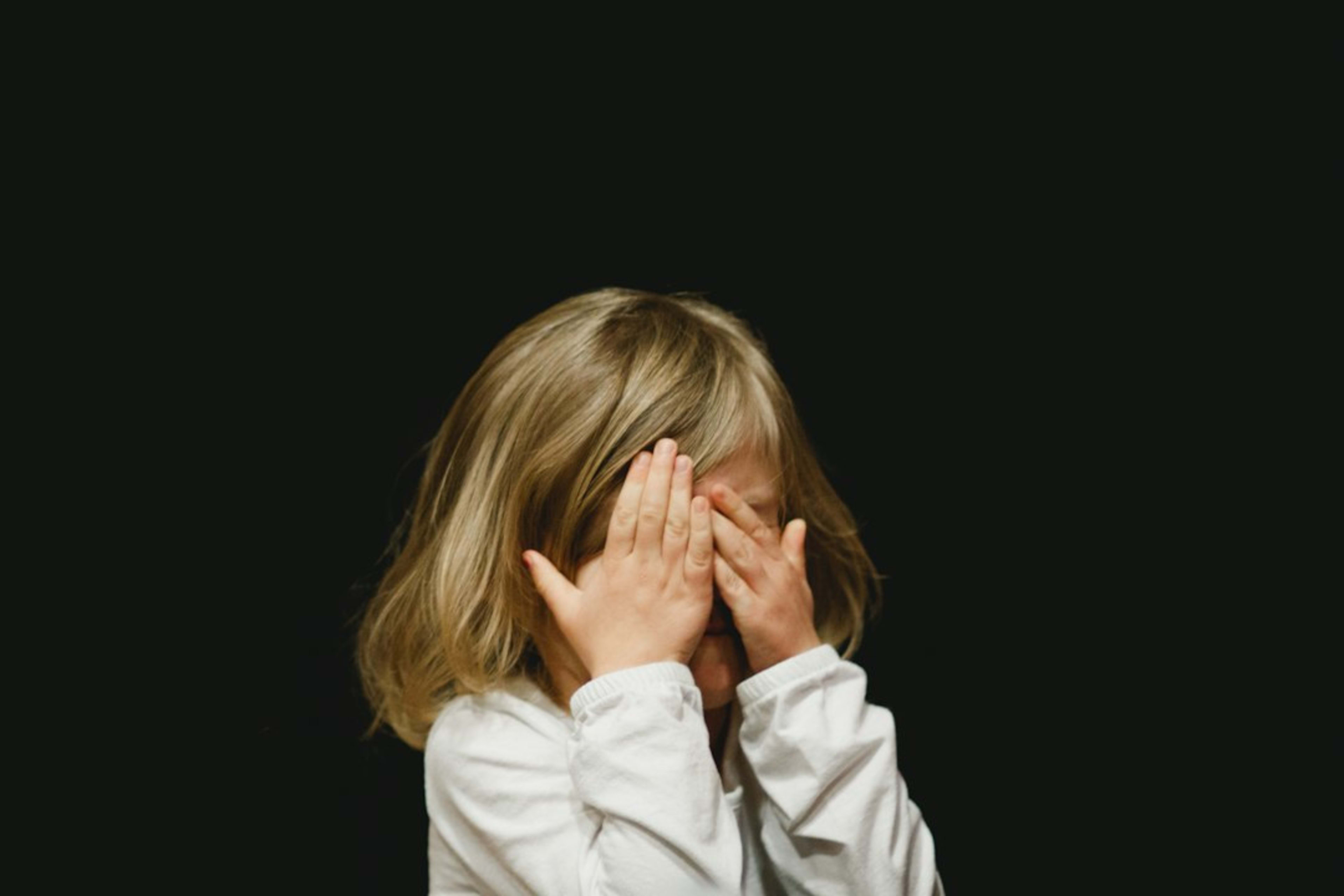
A frightened child learns to watch. They study your face when you walk in. They know which footsteps mean trouble. They get gifted at telling you what you want to hear. From the outside this looks like respect. On the inside it is a child managing a threat.
Trust works differently. A trusted parent can hear the worst news in the house and the child still comes to them with it. Not because there will be no consequence, but because the consequence will be fair, and the child will still be loved afterwards.
One caution, because I do not want to be unfair to parents. A child being afraid of you is not proof that you are a bad parent. Children fear the doctor, fear letting down people they love, fear a reasonable punishment. What matters is what they fear will happen if they tell the truth. Fear of a fair consequence is a normal part of growing up. Fear of being beaten, shamed, threatened, or reminded of the failure for years is something else entirely.
The betrayal that does the most damage
If I had to name the single quickest way to lose a child, it would be this: using what they told you in confidence as a weapon.
A teenage boy tells his father something tender, a fear, a failure, a struggle he is ashamed of. The father is kind in the moment. Months later, in the middle of an argument, he brings it back out. Maybe in front of others. Maybe as proof of what kind of person his son really is.
The boy does not forget. He learns that being known makes him easy to wound. The next time something is wrong, he will tell a friend, or a stranger online, or nobody. And the day he finally needs his father most, the door will already be shut, closed by his father's own hand.
Some things a parent cannot keep secret. If a child is in danger or being abused, adults must act. But there is a world of difference between sharing a confidence to protect a child and spending it to win an argument.
A child's vulnerability is a trust, not a weapon. The more openly a child shows you their soft places, the more carefully you must handle them.
Five things a child needs to feel
When I picture a home that is truly safe, I do not picture a list of rules. I picture a child feeling five things.
Safe in their body. Nobody in this house hits, hurts, or takes advantage of me. A parent's anger never gets to live in a child's body.
Safe in their feelings. I can be sad, furious, scared, or confused without being laughed at or punished. My anger at you is not a crime. How I express it still matters, and I can be taught that.
Safe in the relationship. I can fail, own up, and ask hard questions without wondering whether you will still be on my side. And when you lose your temper, you will say sorry. Authority does not excuse a parent from being accountable.
Safe in their own mind. I am allowed to think differently from you. I can question what we believe and still belong here. My mind is something you are helping to grow, not land you are trying to occupy.
Safe to grow. You will not shield me from every hard thing. You will stand close enough that I can try, stumble, and try again. Protection that never lets a child struggle builds dependence, not strength.
A test worth taking
Most parents, asked whether they love their children, say yes, and mean it. Love is not the question. The question is what living with you is actually like.
So sit down alone, and answer these honestly.
If my child failed an exam, would they tell me?
If they were being bullied, would I be one of the first to know?
If they did something shameful, would they come to me or hide it?
Could they tell me I hurt them, and survive the conversation?
Could they disagree with me without losing my warmth?
Do I ever use their old mistakes as evidence against them?
Have I ever told my child I was wrong?
None of us will pass all of these every day, and the answers change as children grow. Privacy, supervision, and decision-making must shift with age. But the questions show you which way your home is leaning.
Then ask the one that matters most.
When my child is in trouble, do they think to run to me, or run from me?
That question will not give you a perfect measure. Some children go to another trusted adult first, and some fear even gentle parents. But it will tell you something true, and that is more than most of us want to know.
What I am asking of parents
I am not asking parents to be perfect. I am asking them to be safe to come home to.
That means being firm without being cruel, disappointed without being contemptuous, and loving without believing that love alone makes every decision right. Good intentions are not the same as good effects. A parent can love a child with everything they have and still build a home that child is afraid in. The test is whether we are willing to notice, and willing to change.
The goal is not a child who never fears consequences. It is a child who can face them without fearing the loss of home.
You are not raising a child to obey you forever. You are raising someone who will one day govern themselves, choose their friends, face their own failures, and need help from somebody. When that day comes, they will turn toward whoever they believe is safe.
Let it be you.
About the author
Samuel Adewoye
Writer. Author. Publisher
Home Bitter Home: Home Broken Home
What does it mean to be a safe parent? Not merely a parent who provides food, shelter, clothing, education, and the other necessities of life. Not merely a parent who keeps their children away from strangers, dangerous roads, bad company, and the many threats that exist outside the home. What about the dangers that children cannot escape because they live with them?